
 On July 11, 1914, George Herman Ruth played his first major league game. He had recently joined the Boston Red Sox and was already known as “Babe”.
He pitched seven innings, gave up three runs (two earned), and got a no decision in a 4-3 win over the Cleveland Naps (later the Indians).
He went 0-for-2 at the plate. His first major league at bat? A strike out.

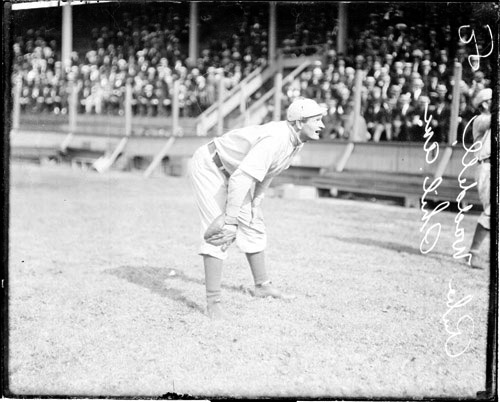
SDN-061193, Chicago Daily News negatives collection, Chicago History Museum. (1917)
He became the greatest ballplayer ever. (This is not even worth arguing over.)
If you want the stats, you can find plenty online.
But, how about some other Ruthian notes on this auspicious day?
He Was Born In Baltimore (And Lived In Centerfield)
According to the plaque at Baltimore’s Camden Yards: “During the early 1900’s, Babe Ruth and his family lived at 406 Conway Street in what is now centerfield of Oriole Park at Camden Yards. Babe’s father operated Ruth’s Café on the ground floor of the residence.”
The Café? A polite way of saying saloon.

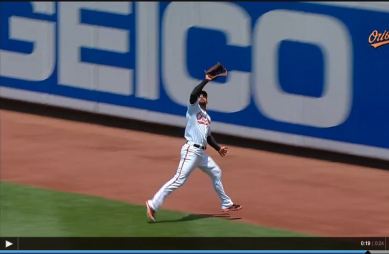
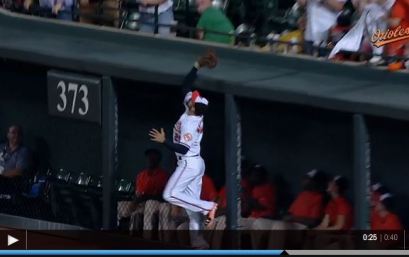
Adam Jones, Orioles Centerfielder. Camden Yards.
Ruth Was A Catcher (Before He Was A Pitcher, Before He Was The Sultan of Swat)
While at St. Mary’s – a reform school/orphanage for wayward boys where Ruth was sent by his family for being “incorrigible” – he began to play as part of a formal school baseball league. He was a star of the league and played catcher – a lefty catcher (a rarity then and now).
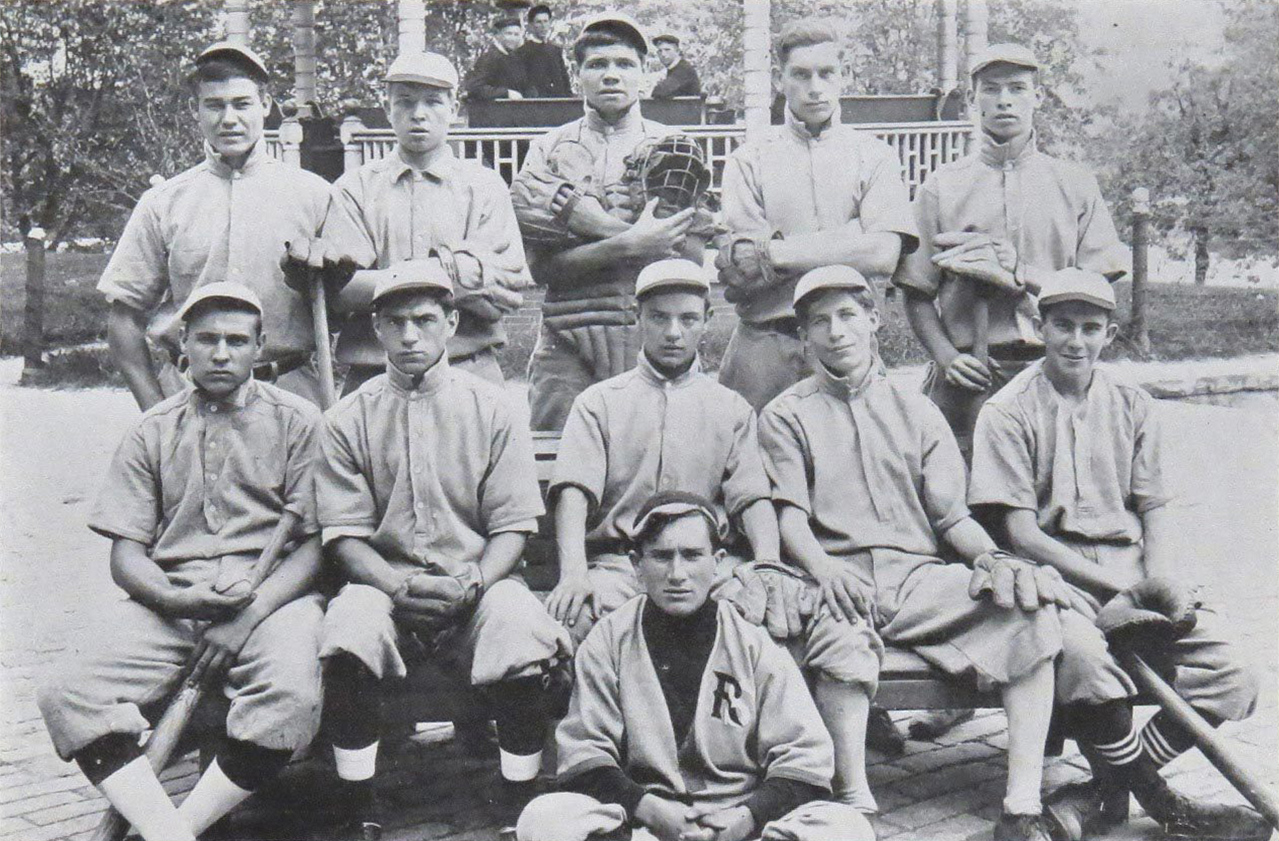
Public Domain image. (1913)
Babe Ruth, Catcher. St. Mary’s. Back Row, Center.
He later moved to pitcher and in 1913, his last year at St. Mary’s, according to historian Robert Creamer, he homered in nearly every game he played and was undefeated in every game he pitched.
The Baltimore Orioles Signed Ruth To His First Professional Contract (But, Not Those Orioles)
Yes, the Baltimore Orioles did sign Babe Ruth to his first professional baseball contract in 1914. (His salary: $100 a month.)
But, no, it was not the historic 1890s-era Baltimore Orioles that eventually moved to New York and evolved into the Yankees. (They were long gone by 1914.)
And, no, it wasn’t the current Baltimore Orioles. They have only been in Baltimore since 1954, and were previously the St. Louis Browns.
The Baltimore Orioles that signed Ruth were a minor league team in the International League – a team that was originally based in Montreal.
The Orioles weren’t even the most popular baseball team in Baltimore that year. They played a woeful second fiddle to the Baltimore Terrapins, a Federal League team.
They couldn’t compete with the popular Terps and Ruth was quickly sold to the Boston Red Sox. The next season, those Orioles packed up and headed to Richmond, Virginia.

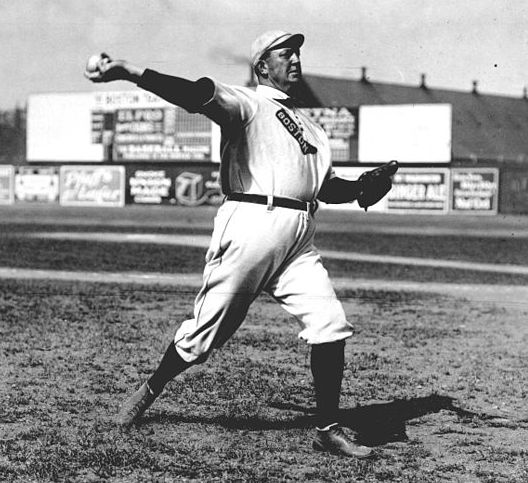
SDN-061536, Chicago Daily News negatives collection, Chicago History Museum. (1918)
Babe Ruth and two other Orioles were sold to the Red Sox in July 1914 for a reported $25,000.
Baby Ruth Candy Bars Were Not Named For Babe Ruth (Except That They Were)
The Curtiss Candy Company always claimed they named the Baby Ruth bar for Ruth Cleveland, President Grover Cleveland’s daughter who died at age 12 in 1904, which was nearly 20 years before the candy bar even appeared.
More likely is that the Curtiss Candy Company jumped on the Babe Ruth bandwagon, but Ruth Cleveland was a convenient back story that would allow them to avoid paying Babe for his image, likeness, name, and endorsement.
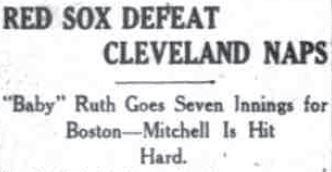
Should you wish to argue that Babe Ruth and Baby Ruth are two completely different names: Reporters of the day would, on occasion, refer to the Babe as “Baby Ruth” and here’s some proof of that.
In the 1990s, Nestlé, which now owns the brand, contracted with the Ruth family to use the Babe’s image in their marketing.
Although, Nestlé seems to have put Baby in the corner these days – Baby Ruths aren’t even listed on their chocolate page. (Aero Bars? They’re horrible.)
But, if you dig around, you can uncover this Gooey Baby Ruth Brownie recipe!
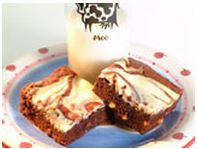
A candy bar melted into a brownie? With cream cheese? The Babe would definitely put his name on that!
Ruth Played Where The Sun Don’t Shine
In 1922, Ruth lost a fly ball in the sun while playing left field at New York’s Polo Grounds.
After that, Ruth determined what position he would play from game to game, based on where the sun would shine in the outfield in every stadium – always avoiding the “sun field.”
At the Polo Grounds and in Yankee Stadium, for instance, he would always be in right field. At Boston’s Fenway Park, however, he would forever after play in left.
I wonder where he would have played at the Trop?
Yankee Stadium — The House That Ruth Built
He didn’t literally build it. He did, however, have basic tailoring skills and while at St. Mary’s briefly worked at a shirt factory. His job was to attach collars and he was paid six cents a collar.
I’m Related To Babe
Seriously. But, not Babe Ruth.
My mom was named Julie at birth, but everyone in the family and most everyone in town knew her as Babe. Her high school yearbook lists her as Babe, too. She was called Babe, she said, because she was the youngest in her family and the youngest in her class.
Sadly, her daughter’s witty jokes about her being named for Babe Ruth or Babe the Blue Ox were wholly unappreciated.
But get this …
In the 1930s, Babe Ruth discovered that he was a year older than he had been told he was, when he had to produce a certified birth certificate in order to get his passport.
In the 1990s, Babe, my mom, discovered that she was a year older than she had been told she was, when she had to produce a certified birth certificate in order to get Social Security.
Coincidence?
_____________________________






































 The Baseball Bloggess